Rebrand vs Brand Refresh: What’s the difference for your brand identity?

One of the most common questions I hear from business owners is: “Do we need a rebrand, or just a brand refresh?”
After 22 years working in brand identity and logo design, I’ve helped businesses at every stage — from start-ups launching their first brand identity to established organisations repositioning themselves through a full rebrand.
While the terms rebrand and brand refresh are often used interchangeably, they actually refer to two very different approaches to evolving your brand.
Understanding the difference can help you decide whether your business needs a complete brand identity redesign or a strategic refresh of your existing branding.
What is a Rebrand?
A rebrand is a significant shift in how a business positions itself in the market.
It typically involves a complete overhaul of your brand identity, including your:
Logo design
Visual identity
Messaging and tone of voice
Brand positioning
Overall brand strategy
Businesses often undertake a rebrand when something fundamental has changed — for example:
The business has grown or evolved
Services or offerings have changed
The target audience has shifted
The brand no longer reflects the level of the business
A rebrand is a strategic process that requires time, planning and investment, but when done well it can reposition a business and unlock new opportunities.
A rebrand often involves a complete brand identity and logo design process, which we outline in our Brand Identity Services page.
What is a Brand Refresh?
A brand refresh is more about evolution than transformation.
Rather than changing the core identity, a refresh updates and modernises the existing brand to keep it relevant.
A brand refresh might include:
Refining your colour palette
Updating typography
Simplifying or modernising your logo
Improving visual consistency across platforms
Updating design assets for digital use
Think of it as giving your brand a polish and modern update, while keeping the core identity recognisable.
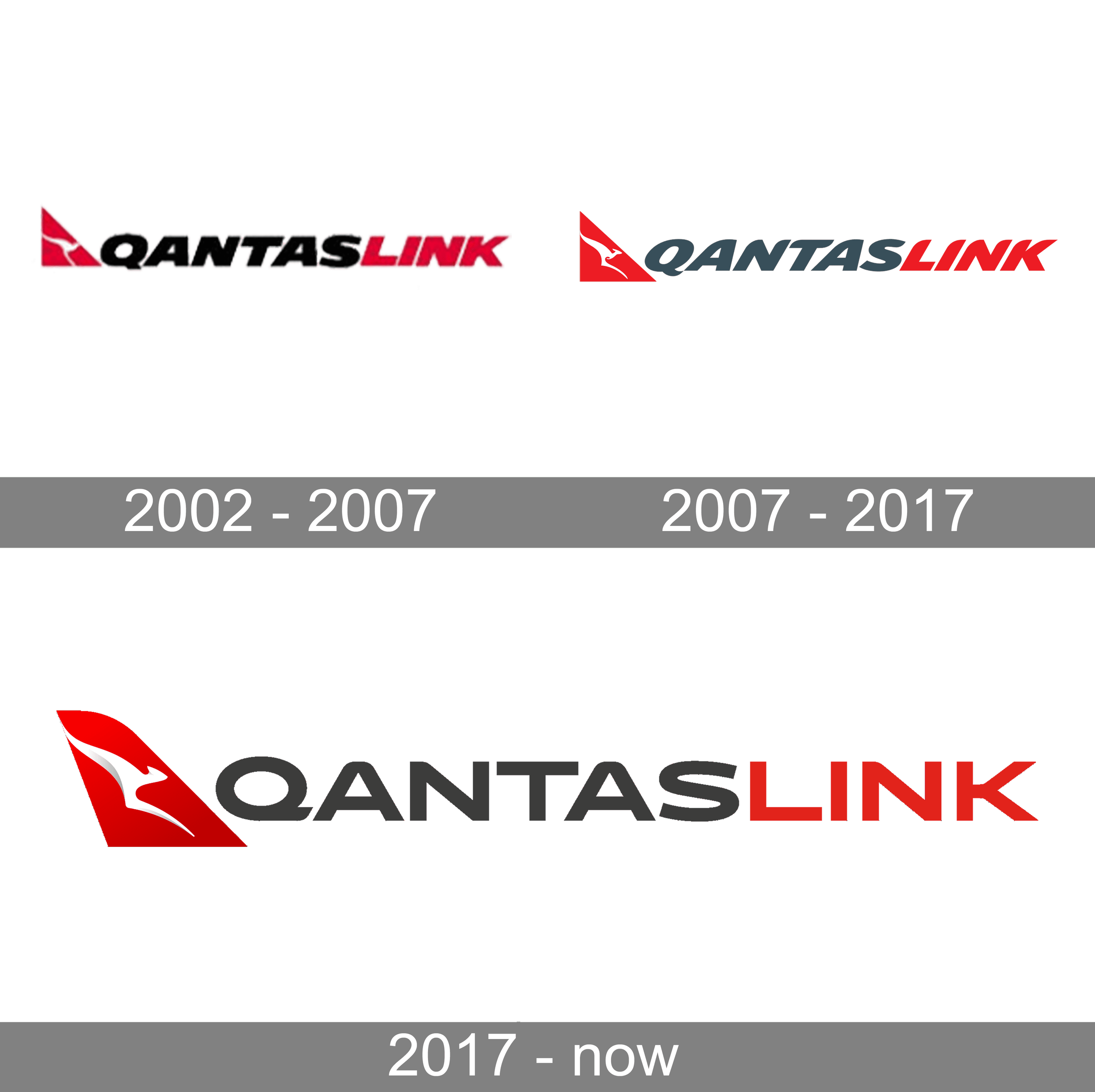
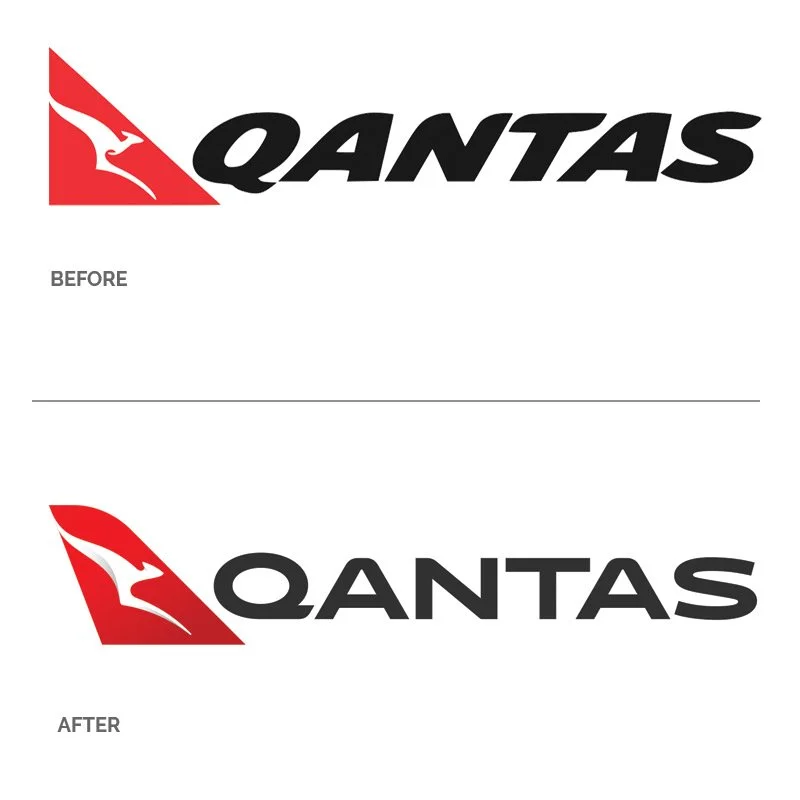
A real-world example of a brand refresh
A great example of a brand refresh is Qantas.
Over the years, the airline has refined its visual identity multiple times — evolving the kangaroo symbol, typography and design system.
Each update modernised the brand while maintaining the strong recognition built over decades.
The core identity remained intact, but the execution evolved to stay contemporary.
A real-world example of a rebrand
A rebrand, on the other hand, is a much bigger change.
When a business dramatically shifts its visual identity or positioning, audiences often notice — and sometimes react strongly.
Witchery’s recent Monogram brand update sparked plenty of discussion online, which is common when a well-known brand undergoes a major transformation. Their audience didn’t resonate with the updated design and felt it was misaligned with the brand they had loved and adored for years.
This highlights one of the challenges of rebranding: when a brand has strong recognition, change needs to be handled carefully to bring audiences along on the journey.

image credit, Ragtraders
When should you rebrand?
A rebrand might be the right choice if:
Your business has significantly evolved
Your current branding no longer reflects the quality of your business
You're targeting a new market or audience
Your brand feels outdated or inconsistent
Your competitors have moved ahead visually
A well-executed rebrand can reposition your business and strengthen how you are perceived in the market.
When is a brand refresh enough?
A refresh may be the better option if:
Your brand is still recognised and aligned with your audience
Your logo and identity simply feel dated
Your design system needs improving for digital platforms
You want to modernise without disrupting brand recognition
Small changes can often make a surprisingly big difference.
The key fifference
The simplest way to think about it is this:
A rebrand changes how your business is positioned.
A brand refresh evolves how your brand looks and feels.
Both approaches can be valuable — the key is understanding what your business actually needs.
Unsure which one your business needs?
This is a conversation we have with many clients. Some businesses assume they need a full rebrand, when in reality a strategic refresh is enough to modernise their brand. Others have outgrown their identity entirely and benefit from repositioning through a complete brand identity redesign.
If your brand no longer reflects the level your business operates at, it may be time to rethink it.
Book a discovery call and we can talk through the right approach for your business.